The End Is Near

The End Is Near
2nd Amendment


A well regulated militia being necessary to the security of a free State, the right of the People to keep and bear arms shall not be infringed.


Saturday, October 13, 2012

DRY SALT CURE FOR HAM AND BACON

DRY SALT CURE FOR HAM AND BACON

It is getting to be fall, and for those of us who currently or have in the past grown up raising our own meat, or would like to know how, as the weather cools it nears when we farmer folk turned our hog into bacon and ham.

Here is the recipe for for our DRY SALT CURE that will cure a 14 pound ham.
take a leg of ham from one side of your hog and severe it. (you can also use this cure to make bacon.)
...
You will need at least as a minimum 3 weeks or more.
you will need:
1 ham between 14 and 20 pounds.
a ounce of good brown sugar.
a half ounce of salt peter (potassium nitrate)
2 pounds of roughly ground salt.


You are going to need a salting pan or drawer.
Leave the ham un-skinned.
Rub the sugar and the salt peter in first, pay the most attention to the bone ends.
Now rub on half the salt and put the ham to rest on slats in the salting trough, (leave a channel to let the brine run out.)
At the end of the next week rub in the rest of the salt.

Let the ham set and take in the rest of the salt for the next three weeks., turning the ham in the salt regularly to dry and take in the cure.
Now you can hang the ham to dry in a drafty area of warm air for a day or two to dry out more.
If you want to smoke the ham (we did) put it in your smoke house and let it hang in the smoke for a day or so ( the smoke house should be designed so the smoke from your fire is cool as it runs through and use hickory or apple wood to smoke the meat.
Leave the smoke to settle on the meat for 2 to 3 days.
Hang the ham in your attic or another similar cool dry place.
This home made ham can be stored over the winter.
Here is a link to more information like this. https://www.facebook.com/Survivalist.and.Preppers.Haven

Tuesday, October 9, 2012

Antibiotic Dosages


AMOXICILLIN

250 – 500 mg 3 times daily, usually 10 to 14 days


Amoxicillin is used to treat a wide variety of bacterial infections.  Amoxicillin is a penicillin-type antibiotic. It works by stopping the growth of bacteria.


This antibiotic treats only bacterial infections. It will not work for viral infections (such as common cold, flu). Unnecessary use or misuse of any antibiotic can lead to its decreased effectiveness.


Take this medication by mouth with or without food.  Drink plenty of fluids while using this medication.  Antibiotics work best when the amount of medicine in your body is kept at a constant level. Therefore, take this drug at evenly spaced intervals. To help you remember, take it at the same times each day.


Continue to take this medication until the full prescribed amount is finished, even if symptoms disappear after a few days. Stopping the medication too early may allow bacteria to continue to grow, which may result in a return of the infection.


Amoxicillin is used to treat the following:


·         Strep Throat

·         Tonsillitis

·         Ear Infection

·         Sinus Infection

·         Pneumonia

·         Bronchitis

·         Lower Respiratory Tract Infection

·         Ulcer of Duodenum

·         Peptic Ulcer

·         Infection of Genitals

·         Urinary Tract Infection

·         Skin Infection

·         Yeast Infection

·         Mouth & Tooth Infection

·         Typhoid Fever

·         Lyme Disease

·         Treatment to Prevent Bacterial Infection of a Heart Valve (i.e. someone with a heart murmer takes Amoxicillin prior to dental work)


AMPICILLIN

250 – 500 mg 3 times daily, usually 7 to 10 days

Ampicillin is used to treat a wide variety of bacterial infections. It is a penicillin-type antibiotic. It works by stopping the growth of bacteria.

This antibiotic treats only bacterial infections. It will not work for viral infections (e.g., common cold, flu). Unnecessary use or overuse of any antibiotic can lead to its decreased effectiveness.

Take this medication  on an empty stomach (1 hour before or 2 hours after a meal) with a full glass of water. Drink plenty of fluids while using this medication.  Antibiotics work best when the amount of medicine in your body is kept at a constant level. Therefore, take this drug at evenly spaced intervals.

Continue to take this medication until the full-prescribed amount is finished even if symptoms disappear after a few days. Stopping the medication too early may allow bacteria to continue to grow, which may result in a relapse of the infection.

Ampicillin is used to treat the following:


  • Strep Throat
  • Food Poisoning caused by Salmonella Bacteria
  • Ear Infection
  • Sinus Infection
  • Pneumonia
  • Bronchitis
  • Urinary Tract Infection
  • Skin Infection
  • Typhoid Fever
  • Intestinal Infection
  • Yeast Infection
  • Mouth & Tooth Infection
  • Treatment to Prevent Bacterial Infection of a Heart Valve (i.e. someone with a heart murmer takes Ampicillin prior to dental work)


CEPHALEXIN (Brand Name:  Keflex)

250 – 500 mg 3 times daily, usually 7 to 21 days

Cephalexin is used to treat a wide variety of bacterial infections. This medication is known as a cephalosporin antibiotic. It works by stopping the growth of bacteria.

This medication will not work for viral infections (such as common cold, flu). Unnecessary use or misuse of any antibiotic can lead to its decreased effectiveness.

Take this medication with or without food.  Antibiotics work best when the amount of medicine in your body is kept at a constant level. Therefore, take this drug at evenly spaced intervals.

Continue to take this medication until the full prescribed amount is finished, even if symptoms disappear after a few days. Stopping the medication too early may allow bacteria to continue to grow, which may result in a return of the infection.

Cephalexin is used to treat the following:


  • Strep Throat
  • Tonsillitis
  • Ear Infection
  • Sinus Infection
  • Pneumonia
  • Urinary Tract Infection
  • Infection of the Prostate Gland
  • Skin Infection
  • Infection of a Joint
  • Infection of Bone
  • Yeast Infection
  • Mouth & Tooth Infection
  • Bacterial Infection of Breast
  • Diabetic with Foot Infection
  • Treatment to Prevent Bacterial Infection of a Heart Valve (i.e. someone with a heart murmer takes Ampicillin prior to dental work)


CIPROFLOXACIN (Brand Name:  Cipro)

250 – 500 mg 2 times daily, usually 7 to 10 days

Ciprofloxacin is used to treat a variety of bacterial infections. This medication belongs to a class of drugs called quinolone antibiotics. It works by stopping the growth of bacteria.

This antibiotic treats only bacterial infections. It will not work for viral infections (e.g., common cold, flu). Unnecessary use or overuse of any antibiotic can lead to its decreased

This medication may be taken with or without food.  Drink plenty of fluids while taking this medication.

Take this medication at least 2 hours before or 6 hours after taking other products that may bind to it, decreasing its effectiveness. Some examples include: quinapril, vitamins/minerals (including iron and zinc supplements), and products containing magnesium, aluminum, or calcium (such as antacids, didanosine solution, calcium supplements).

Calcium-rich foods, including dairy products (such as milk, yogurt) or calcium-enriched juice, can also decrease the effect of this medication. Take this medication at least 2 hours before or 6 hours after eating calcium-rich foods, unless you are eating these foods as part of a larger meal that contains other (non-calcium-rich) foods. These other foods decrease the calcium binding effect.

Antibiotics work best when the amount of medicine in your body is kept at a constant level. It is important not to miss a dose. To help you remember and to keep the drug at a constant level, take it at the same times every day.

Continue to take this medication until the full prescribed amount is finished, even if symptoms disappear after a few days. Stopping the medication too early may allow bacteria to continue to grow, which may result in a return of the infection.


Ciprofloxacin is used to treat the following:


  • Inflammation of the Bladder
  • Typhoid Fever
  • Intestinal Infection
  • Infectious Diarrhea
  • Treatment to prevent Anthrax following exposure to the disease
  • Gonorrhea
  • Highly Infectious Venereal or Sexually Transmitted Ulcer
  • Sinus Infection
  • Pneumonia
  • Bronchitis
  • Lower Respiratory Tract Infection
  • Peritonitis
  • Abdominal Infection (abscess, etc.)
  • Kidney Infection
  • Bladder Infection
  • Urinary Tract Infection
  • Infection of the Prostate Gland
  • Skin Infection
  • Joint Infection
  • Bone Infection
  • Anthrax
  • Diverticulitis
  • Diabetic Foot Infection
  • Yeast Infection
  • Mouth & Tooth Infection
  • Treatment to Prevent Bacterial Infection of a Heart Valve (i.e. someone with a heart murmer takes Ampicillin prior to dental work)


DOXYCYCLINE HYCLATE

100 mg 2 times daily, usually 7 to 10 days

Doxycycline Hyclate is used to treat a wide variety of bacterial infections, including those that cause acne. This medication is also used to prevent malaria.   This medication may also be used to treat rosacea.  This medication is known as a tetracycline antibiotic. It works by stopping the growth of bacteria.

This antibiotic treats only bacterial infections. It will not work for viral infections (such as common cold, flu). Unnecessary use or misuse of any antibiotic can lead to its decreased effectiveness.

This medication is best taken by mouth on an empty stomach, at least 1 hour before or 2 hours after a mealr. Take this medication with a full glass of water. If stomach upset occurs, taking it with food or milk may help. However, doxycycline may not work as well if you take it with food or milk.  Do not lie down for 10 minutes after taking this medication.

Take this medication 2 to 3 hours before or after taking any products containing aluminum, calcium, iron, magnesium, zinc, or bismuth subsalicylate. Some examples include antacids, certain forms of didanosine (chewable/dispersible buffered tablets or pediatric oral solution), quinapril, vitamins/minerals, dairy products (such as milk, yogurt), and calcium-enriched juice. These products bind with doxycycline, preventing your body from fully absorbing the drug.

Antibiotics work best when the amount of medicine in your body is kept at a constant level. Therefore, take this drug at evenly spaced intervals.

Continue to take this medication until the full prescribed amount is finished, even if symptoms disappear after a few days. Stopping the medication too early may allow bacteria to continue to grow, which may result in a return of the infection.

Doxycycline Hyclate is used to treat the following:

·         Inflammation Around the Teeth

·         Infection due to Deer Fly, Flea & Tick Bites

·         Skin Infection

·         Pneumonia

·         Stomach or Intestinal Infection

·         Treatment to Prevent Anthrax following Exposure to Disease

·         Brucella

·         Listeria

·         Actinomyces

·         Chlamydia

·         Conjunctivitis

·         Rocky Mountain Spotted Fever

·         Mediterranean Spotted Fever

·         Infectious Disease with Relapsing Attacks of High Fever

·         Syphilis

·         Gonorrhea

·         Highly Infectious Venereal or Sexually Transmitted Ulcer

·         Chronic Slow Progressing Ulcerative Granulomatous Disease

·         Skin Infection

·         Sinus Irritation and Congestion

·         Bronchitis

·         Urinary Tract Infection

·         Skin Infection

·         Acne

·         Rosacea

·         Traveler's Diarrhea

·         Plague

·         Malaria

·         Lyme Disease

·         Dilation of the Blood Vessels of the Eye

·         Inflammation of the Gums and Mouth

·         Small and Large Intestine Inflammation

·         Infection of Part of a Testicle

·         Sexual Transmitted Disease

PENICILLIN

250 – 500 mg 3 times daily, usually 14 days

Penicillin is used to treat a wide variety of bacterial infections. It works by stopping the growth of bacteria.

This antibiotic treats only bacterial infections. It will not work for viral infections (e.g., common cold, flu). Unnecessary use or overuse of any antibiotic can lead to its decreased effectiveness.

Take this medication  on an empty stomach (1 hour before or 2 hours after a meal) with a full glass of water. Drink plenty of fluids while using this medication.  Antibiotics work best when the amount of medicine in your body is kept at a constant level. Therefore, take this drug at evenly spaced intervals.

Continue to take this medication until the full-prescribed amount is finished even if symptoms disappear after a few days. Stopping the medication too early may allow bacteria to continue to grow, which may result in a relapse of the infection.

Penicillin is used to treat the following:


  • Urinary Tract Infections
  • Septicemia
  • Meningitis
  • Abdominal infection
  • Gonorrhea
  • Syphilis
  • Pneumonia
  • Respiratory Infection
  • Skin and Soft Tissue Infections
  • Scarlet Fever
  • Red Lesions of Skin
  • Trench Mouth
  • Infection Prevention from Tooth Extraction
  • Ear Infection
  • Rheumatic Fever Prevention
  • Infection of the Nose, Throat or Sinus
  • Upper Respiratory Infection


SULFAMETHOXAZOLE AND TRIMETHOPRIM (Brand Name:  Bactrim)

One or Two tablets 2 times daily, usually 10-21 days


This medication is a combination of two antibiotics: sulfamethoxazole and trimethoprim. It is used to treat a wide variety of bacterial infections (such as middle ear, urine, respiratory, and intestinal infections). It is also used to prevent and treat a certain type of pneumonia (pneumocystis-type).

This medication should not be used in children less than 2 months of age due to the risk of serious side effects.

This medication treats only certain types of infections. It will not work for viral infections (such as common cold, flu). Unnecessary use or misuse of any antibiotic can lead to its decreased effectiveness.

Take this medication with a full glass of water. If stomach upset occurs, take with food or milk. Drink plenty of fluids while taking this medication to lower the unlikely risk of kidney stones forming.

Antibiotics work best when the amount of medicine in your body is kept at a constant level. Therefore, take this drug at evenly spaced intervals.

Continue to take this medication until the full prescribed amount is finished, even if symptoms disappear after a few days. Stopping it too early may allow bacteria to continue to grow, which may result in a relapse of the infection.

Sulfamethoxazole and Trimethoprim is used to treat the following:


  • Intestinal Infection
  • Pneumonia
  • PCP Prophylaxis
  • Ear Infection
  • Bronchitis
  • Urinary Tract Infection
  • Typhoid Fever
  • Infection due to Salmonella
  • Brucella Bacteria
  • Listeria Monocytogene
  • Whooping Cough
  • Nocardia
  • Whipple's Disease
  • Chlamydia
  • Highly Infectious Venereal or Sexually Transmitted Ulcer
  • Chronic Skin Disease caused by a Fungus
  • Prevention of Toxoplasmosis
  • AIDS with Toxoplasmosis
  • Sinus Irritation and Congestion
  • Diverticulitis
  • Inflammation of the Prostate Gland
  • Skin Infection
  • Diabetic Foot Infection
  • Infection of Bone
  • Prevention of Plague Following Exposure to Plague


FEDERAL BROADCAST FREQUENCIES

NOAA LOCAL BROADCAST
http://www.weather.gov/nwr/streamaudio.htm#audio
NOAA NATIONAL WARNIN MAPS
http://www.spc.noaa.gov/products/wwa/
National listings of local Law and Emergency Communications
http://www.radioreference.com/apps/db/
DEA FREQUENCIES
CH.1 OPERATIONS RPT. 418.625/416.050 MHZ.
...
CH.2 OPERATIONS RPT. 418.90/416.325 MHZ.
CH.3 SURVEILLANCE/STRIKE FORCE 418.750 MHZ.
CH.4 SURVEILLANCE/STRIKE FORCE 418.675 MHZ.
CH.5 OPERATIONS RPT. 418.825/415.60 MHZ.
CH.6 OPERATIONS RPT. 418.95/416.20 MHZ.
CH.7 OPERATIONS RPT. 418.975/417.025 MHZ.
CH.8 OPERATIONS SIMPLEX 418.975 MHZ.
UNITED STATES MARSHALS
CH.1 OPERATIONS RPT. 163.20/163.8125 MHZ.
CH.2 OPERATIONS SIM. 163.20 MHZ.
CH.3 OPER.RPTS.EXTENDERS 164.60/163.8125 MHZ.
CH.4 OPER.SIMPLEX 164.60 MHZ.
CH.? AIR/MOBILES 163.8125 MHZ.
CH.? OPER.REPORTED 162.7125/170.80 MHZ.
BUREAU OF PRISONS
CH.1 170.875 MHZ.
CH.2 170.925 MHZ.
CH.3 170.650 MHZ.
INTERNAL REVENUE SERVICE
CH.1 CID OPER.RPT. 165.950/167.00 MHZ.
"IRS" CH.2 CID OPER.DIRECT 167.000 MHZ.
CH.3 CID OPER.DIRECT 165.950 MHZ.
USDT COMMON 166.4625 MHZ.
CH.1 IRS.INVESTIGATIONS 166.00/167.10 MHZ.
CH.2 IRS.INVESTIGATIONS 166.00 MHZ.
? USDT COMMON FREQ. 165.4625/166.5875
CH.1 CID OPER.(UHF) 418.225/414.700 MHZ.
CH.2 CID OPER.DIR 418.225 MHZ.
CH.3 CID TACTICAL 418.175 MHZ.
FED. COMMUNICATION COMM.
167.05 MHZ.
BUREAU OF ALCOHOL , TOBACCO & FIRE ARMS
CH.1,3 OPERATIONS 165.2875/166.5375 MHZ.
AND FIREARMS "BATF" CH.4 USDT COMMON 166.4625 MHZ.
CH.5 OPERATIONS 165.9125 MHZ.
USDT COMMON 165.4625/166.5875 MHZ.
LOCAL OFFICES 165.35 MHZ.
USDT COMMON 166.4625 MHZ.
CH.2 TACTICAL 166.5375 MHZ.
U.S. CUSTOMS
CH.1,2 OPERATIONS 165.2375/166.4375 MHZ.
CH.3 USDT COMMON 166.4625 MHZ.
CH.4 TACTICAL 165.7375 MHZ.
CH.5 USDT COMMON 165.4625/166.5875 MHZ.
OPERATIONS 162.825 MHZ.
TACTICAL CAR-CAR 165.85 MHZ.
LOW POWER FEDERAL FREQS.
UNDER 30 WATTS 163.10 , 418.050 , 418.575 MHZ.
SOME USES ARE : EAR MICS , 5 WATTS 27.575 , 27.585 MHZ.
SECRET COMM. , SOME SURV. 166.75 , 166.875 MHZ.
SECRET SERVICE NATIONWIDE
RPT. 165.375 MHZ.
BAKER 165.7875 MHZ.
FEDERAL EMERGENCY AGENCY DC AREA 16.95 MHZ.
FEDERAL PROTECTION AGENCY 415.20 , 417.20 MHZ.
FEDERAL DISASTER NETWORK 170.20 MHZ.
FEDERAL GOVT. SHARED
408.40 MHZ.
418.075 MHZ.
165.85 MHZ. TACTICAL
FEDERAL BUREAU OF INVESTIGATIONS
163.425/163.925 MHZ.
"FBI" RPT. 163.725/163.775 MHZ.
RPT. 163.80/164.55 MHZ.
RPT. 162.6375/162.7875 MHZ.
RPT. 163.9375 MHZ.
F5 RPT. 163.9125 MHZ.
F1 RPT. 167.3125 MHZ.
F2 SIM. 167.45 MHZ.
F3 167.6125 MHZ.
ALSO SEARCH THROUGH THESE FREQUENCIES
164.00 - 164.55 MHZ.
167.2375 - 167.80 MHZ.
U.S. DEPT. OF LABOR WV. 168.35 MHZ.
OHIO 173.6125 , 406.20 MHZ.
KY. 164.70 MHZ.
ALL PORTABLES 406.20 MHZ.
TO FIND HIDDEN FREQUENCIES
USED BY OUR FEDERAL GOVT.
SEARCH THRU THESE AREAS
162.685 - 162.98 MHZ. 163.20 - 163.99 MHZ.
165.21 - 165.95 MHZ. 166.40 - 166.75 MHZ.
167.05 - 167.80 MHZ. 168.80 - 168.95 MHZ.
170.70 - 170.925 MHZ. 171.15 - 172.00 MHZ.
411.00 - 411.93 MHZ. 413.675 - 413.975 MHZ.
414.00 - 414.575 MHZ. 416.05 - 416.775 MHZ.
417.02 - 417.275 MHZ. 418.05 - 418.98 MHZ.
40 Items to Barter in a Post-Collapse World

August 28, 2012 SurvivalWoman

Do you know how to barter? In preparedness circles, the term barter is used lot when describing a post SHTF situation when goods and services may no longer be available through normal channels. According to Wikipedia, ”barter is a method of exchange by which goods or services are directly exchanged for other goods or services without using a medium of exchange, such as money”.

A lot of people think of bartering as something to do when they are down an out, perhaps unemployed, or low on cash. But nothing could be further from the truth. Bartering has been around from eons and is simply a smart way to acquire goods and services under the radar screen.

Today I would like to share some very simple tips for bartering as well as my own suggested list of items and skills that may be useful for barter in a post-collapse economy.

How does simple barter work?

In a simple barter, you look for someone who is looking for a particular kinds of goods or services in exchange for goods or services that you may want. For example, let’s say you do plumbing work but you need a some gardening equipment. A simple barter would be exchanging some plumbing repairs for a used plow or rototiller.

Getting started is easy. One of the simplest things to do is to put up an small ad on the local community bulletin board, perhaps at the grocery store or bowling alley. (And by the way, I don’t know why but bowling alley’s are particularly good for this sort of thing.) You can also peruse Craigslist or the Little Nickel want ads for people trying to sell the item you need. The next step is to simply phone them ask and suggest a trade.
One of the very best ways to barter, though, is to put the word out among like-minded friends, relatives and neighbors. Let them know what you have for trade and see what they offer in return. What I am describing here is bartering in its most simplistic form but I think you get the gist.

Beyond simple bartering there are more complicated and dare I say sophisticated scenarios such as three way barters and barter clubs. But that gets beyond the scope of this article which is merely to get you into the bartering mindset.

The Best Items to Use For Barter in a Post-Collapse Word

There are a lot of different opinions as to what items will be best for barter in a post-collapse world where the underground economy may be the only viable economy for the passing of goods and services. That said, consider this a starting point as you begin to acquire goods for barter.
In no particular order, consider accumulating some of the following items for barter purposes. And keep in mind that in a post-collapse world, the items do not necessarily have to be new, but simply serviceable.
  1. Water purification supplies including purification tabs and filters
  2. Hand tools including hatchets, saws, machetes and general fix-it tools
  3. Fire making supplies, including lighters, matches, flint fire steel
  4. Sanitary supplies including toilet paper, feminine products and diapers
  5. Disposable razors and razor blades
  6. Fuel, any and all kinds (gas, diesel, propane, kerosene)
  7. Prescription drugs, painkillers, and antibiotics
  8. First aid remedies such as cough syrup, cortisone cream, boil-ese, calamine lotion and topical pain relievers
  9. Spirits such as bourbon, rum, gin, and vodka
  10. Coffee and tea (instant coffee is okay)
  11. Solar battery charger and rechargeable batteries
  12. Standard Batteries
  13. Reading glasses
  14. Paracord
  15. Bags, including large garbage bags as well as smaller zip-close bags
  16. Plastic sheeting
  17. Duct tape
  18. Tie Wraps
  19. Heavy plastic sheets and tarps
  20. Toiletries including toothpaste, dental floss soaps, shampoo (tip: save those small sized toiletries that are provided by hotels and motels)
  21. Condoms
  22. Latex or Nitrile gloves in a variety of sizes
  23. Hard candy
  24. Fishing supplies
  25. Knives of various types including fixed blades, kitchen knives, and box cutters.
  26. Condiments and Spices
  27. Paperback books on a variety of subjects
  28. Tobacco and cigarette rolling supplies
  29. Amusements such as playing cards, crossword puzzle books, Sudoku
  30. Pencils & paper
  31. Pepper spray
  32. Garden seeds
  33. Flashlights
  34. Vinegar and baking soda to use in DIY cleaning supplies
  35. Empty spray bottles and squirt bottles
  36. Hand pumps for both air and liquids
  37. Mylar blankets and tents
  38. Hand warmers
  39. Sewing and mending supplies
  40. Knitting or crochet needles and Yarn
One thing you will notice that I have not included firearms or ammo and for good reason. In a post-collapse society, you might not know your barter partners well and may run the risk that they will use these items against you so that they can steal the rest of you stuff. One person’s opinion, anyway.

A Caveat for Businesses

As you get started with bartering in a pre-collapse world – and after all, like any other survival skill, you should hone your skills now – keep in mind that in the United States, the IRS does have some rules for business bartering and most certainly, states probably do as well as it pertains to Business and Occupation taxes. Just something to keep in mind.

The Final Word

Times are tough. Many are unemployed. And many have had their retirement funds decimated by the sneaky (and dare we say corrupt?) Wall Street types. Perhaps you have a useful skill. Or perhaps you have a healthy flock of egg laying chickens that provide more than you can consume. Whatever you have in excess capacity, now is the time to learn to trade your skill or extra commodities for something you either need or covet.
There are lots of resources online, at the libraries, and in eBooks to help you acquire bartering skills. Start small but start now. Bartering is the “in” thing to do these days.
Enjoy your next adventure through common sense and thoughtful preparation!
Gaye

Fun With Photo's


Monday, October 8, 2012

Here We Go!!!

Well it's about a month till we go vote and myself as most others are thinking what is ahead? Not what is down the road for the country we all know that this country is doomed! I'm thinking as to what false flag will be pulled or will anything happen? With the way things look now it's any ones guess as who the New World Order wants in office and if you ask me they are the same just with a little different wrapping! So will we hit Iran? Will it be made to look like Iran started something and we jump them? Who knows what is down the road and who knows what craziness is ahead? The one thing I know is if you are prepping and you are planning to survive you are ahead of the game and ahead of 99% of this country.
This is the part of the post where I tell you to kick up your prepping and keep your head into the game! And to be ready for anything, as we roll closer and closer to The day of the Vote in November at anytime there could be a fake attack or a Bullshit set up to pull us into a new war or to make this country look open to new attacks. I will not put it past this group in office to stir up something big and get us into a mess that could start WWIII! Hell all it would take is a good nudge in the right direction and before you know it Russia and China could be on our ass like white on rice!!!! And then on the other hand we could see Nov. 6th come and go with no trouble ay all, for all we know it don't matter who is in office. I'm sure the NWO is in the pocket of both of them and in there heads as well. So what can you and me do? What can we do to stop this? I don't think we can do a thing to stop it, but we can prep and get ready to fight the good fight after the collapse. Stock up of the needed items to give them a damn good fight. Stock up on guns, ammo, food, water, seeds, and medical supplies and all the needed stuff for the end of the world as we know it! I add to my preps every week and every time I walk in to Wal-Mart I now buy some ammo, it may just be 2-4 50 round boxes of 22LR or a box of 12ga shells but I get something every time I go now. And once a week I make a trip just for preps to Sportsman's Warehouse or Wal-Mart to add something new to the prep list, last week it was wooden matches and next week I plan to add some more lamp oil. My plan is to add a little here and a little there and save up for the big items. One of the next big Items is a new gun and I'm working on the funds right now. The point of this is make a plan and stick to it! You can spend as little as $5-$20 week and still add stuff to your prep list. A friend of mine back home in North Carolina is prepping on a budget and is going to the .99 cent and Dollar stores and buying prep items. It can be done and we all need to have a plan and stick to it.
Here in California over the last week to ten days the price of gas has gone up .75 cents and in some parts it's gone up over a dollar, it's getting crazy and I know with the price of gas going up the price of food and everything in the store will be going up with it. We are running out of time and the collapse is getting near so prep like crazy and stick to your plan.

Think tank: path to Iran nuke warhead 2-4 months

http://hosted.ap.org/dynamic/stories/I/IRAN_NUCLEAR?SITE=AP&SECTION=HOME&TEMPLATE=DEFAULT&CTIME=2012-10-08-10-20-08

New Congressional Amendment Prepares For Mass Casualties in America

http://www.infowars.com/new-congressional-amendment-prepares-for-mass-casualties-in-america/

The Right To Sell Stuff, Not Anymore!!!!

http://www.infowars.com/your-right-to-resell-your-own-stuff-is-in-peril/

Tuesday, October 2, 2012

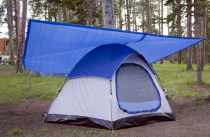
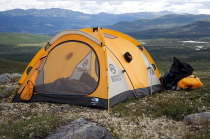
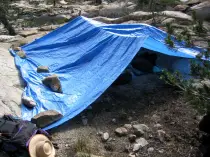
Tent or Tarp????


Info found at: http://survivalcache.com/


Survival Debate: Tent or Tarp

Survival Debate Tent Tarp
This week on survival debate we’ll discuss the advantages of carrying a tent or a tarp in your survival gear or Bug Out Bag. Do you prefer the comfort of a tent and live with the weight, or do you save room in your bag and go light with a tarp?

Tent

Survival TentPro:
  • Better Weather Protection
  • Protection from Insects
  • Easier to Set Up
  • Self Standing
  • Can be Waterproof
  • See our recommended Survival Tents
Con:
  • Heavier
  • Less Versatility
  • More Expensive

Tarp

Survival TarpPro:
  • Lighter
  • Versatility
  • Cheap
  • See our recommended Survival Tarps
Con:
  • Requires External Support
  • Less Weather Protection
  • No Insect Protection

Middle Ground

The only real middle ground for this debate is taking both, because you certainly wouldn’t want to go without at least one if you could help it. Taking both gives you a whole lot of options, and given how cheap and light a tarp is I am tempted to do that myself.

What if you have a large family or group?

That is a problem that we have been thinking about. One of the cool products that we found is a dome shelter system that can sleep up to 30 to 40 adults depending on the size of the shelter. Check them out by clicking here.

Where do you stand?

Personally, if I had to pick one, I would go with a tent. The amount of weather and insect protection you get from a tent really outweighs the weight issue for me. That, and long term tarp camping is just going to be miserable and eventually downright dangerous.
If you take a tent, tell us about it, and why you chose your tent. If you only have a tarp, was that a decision, or just because you haven’t bought a tent yet?